L’Union Fait la Force | Ansanm nou fò (Unity is Strength): An interview with Maritza
Could you share with us why you decided to come to the US?
I came to the United States because of the unbearable humanitarian crisis back home. Living under pressure every day of my life because of gang members is one of the most terrifying and traumatizing experiences of my whole life. The United States of America offered me not only a refuge, but “peace” and opportunities to prosper as a young woman. Like many Haitians, I wanted a chance to develop my career, and help support my family. Haiti will always be home, but coming here allowed me to build a future while staying connected to my roots and my community.
There has been a lot of uncertainty when it comes to the immigration status for many Haitians in the US. How has this affected you?
It’s something that weighs heavily on a lot of people in the Haitian community. You see friends, relatives, and neighbors dealing with uncertainty about their future. That creates stress and anxiety around you. I was happy when I saw judges fighting for keeping this specific immigration status (TPS). They have so much consideration for people’s human rights. Unfortunately, now Haitian people have to look for other pathways. I am here to serve and encourage my community in those difficult times. I am part of a non profit board and we will do what we can to support.
What does it mean for you to see Haiti playing in the World Cup for the first time in more than 50 years?
It’s incredibly emotional! This is a historic moment for Haiti and for Haitians everywhere on this planet. Generations of people dreamed about seeing our country on this stage. It’s about more than soccer; it’s about pride, visibility, and showing the world the talent, resilience, and spirit of the Haitian people. We have been through so many things and we are still showing up. Haitian resilience is definitely unmatched!
How are you supporting them?
I’m supporting them by watching, cheering, sharing their stories. Millions of Haitians around the world are doing the same. So many celebrations all around the world. Even some other nations rallied behind the team. Every message of support matters. This team represents all of us, and I want them to feel that energy wherever they are. We are grateful and so proud of our boys!
What has it felt like watching Haiti compete in a host nation where Haitians are banned from travel to?
It’s a complicated mix of emotions. On one hand, there’s immense joy in seeing Haiti represented on the world’s biggest soccer stage. On the other, it’s difficult knowing that many Haitians who would love to be here supporting the team in person are unable to do so. But we look at the cup half full not half empty. There is grace in supporting pain patiently and never letting circumstances and emotions interfere with who we are and how we show up. Haitians have showed up! We’re one under this bicolore (“Unity makes strength “)! Still, I think the team’s presence sends a powerful message: Haitians belong in every arena where talent, determination, and hard work are celebrated.
This has been a difficult week for the Haitian community in the U.S., after Thursday’s ruling by the Supreme Court not to extend TPS for Haiti. What has been your experience of how the Haitian community has responded to this policy change?
This has indeed been a difficult week for the Haitian community in the U.S after Thursday’s ruling by the Supreme Court not to extend TPS for Haiti. I see Haitian people actively looking for alternative pathways, and organizations that support immigrants are more motivated than ever to assist them in those times of trouble. The community stays united whether they are celebrating or not. They are focusing on solutions to solve the problems because every problem has a solution.
In June, we celebrated Immigrant Heritage Month. What does Immigrant Heritage Month mean to you?
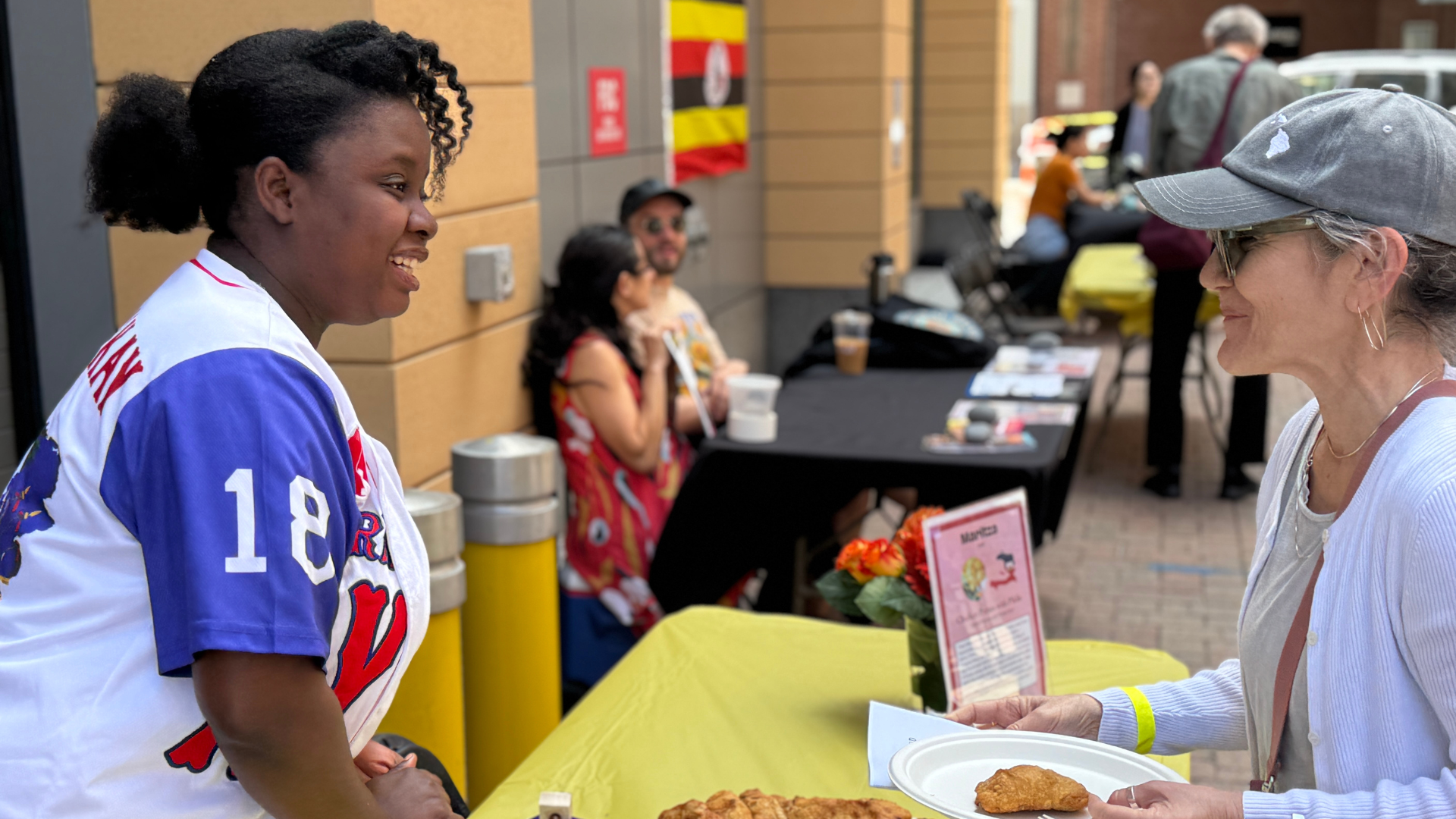
Having a whole month to celebrate us means that we are acknowledged and that we bring something special to the American society. We bring stories, we bring cultural traditions. We contribute to the economic growth, innovation and research, workforce support and global connections. This is also a time to reflect about immigration policies and what can we do better so our immigrants can feel safe here. The U.S can be referred to as a “nation of immigrants” because throughout its history, the U.S has received immigrants from Europe, Asia, Africa, Latin America, the Caribbean and the Middle East. The Immigrant Heritage Month is a celebration of identity, culture and heritage. I am an immigrant and I like everything about us; immigrants equal resilience, courage and determination. Viva Immigrants !
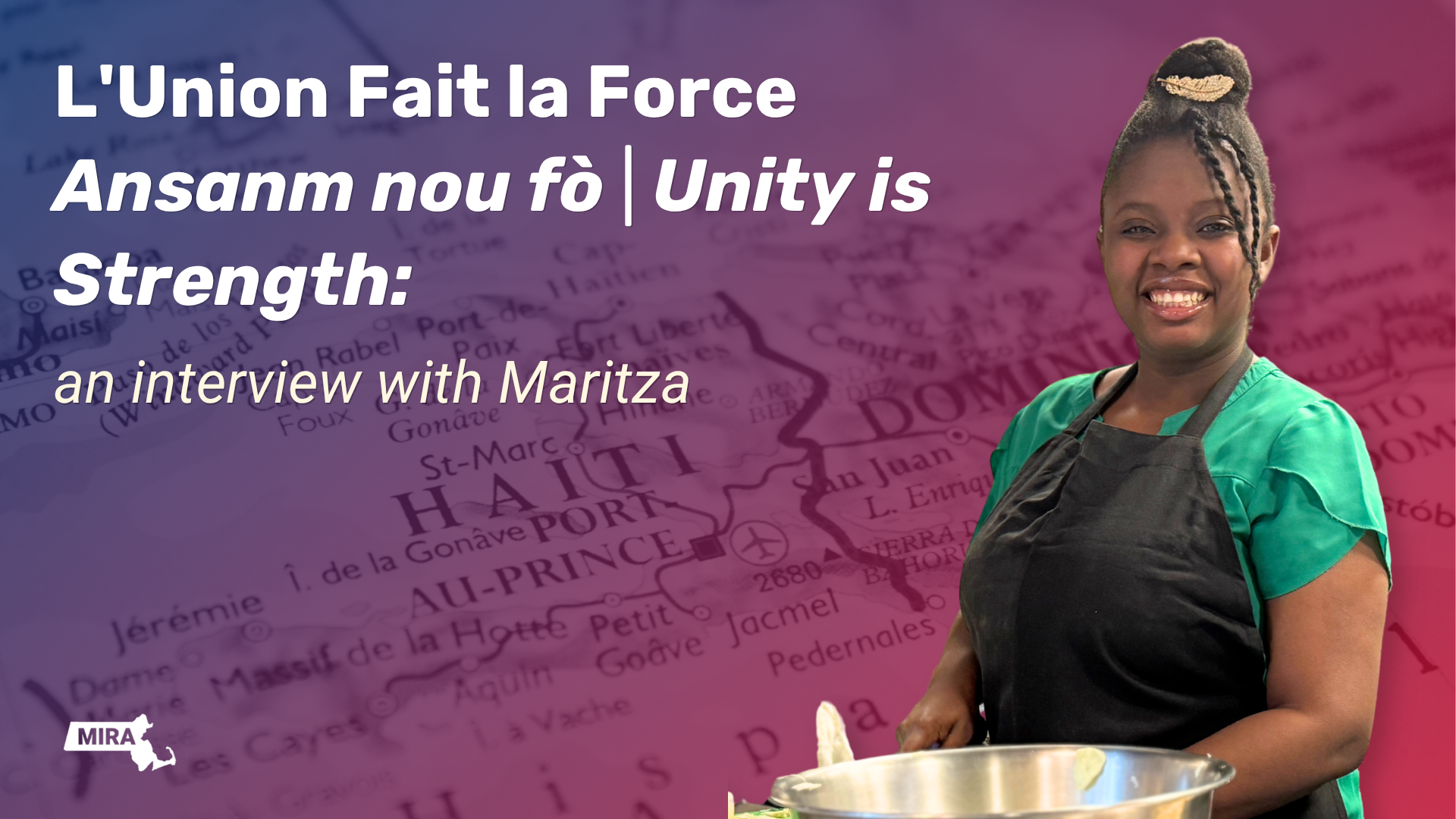
Maritza is a chef and small business owner originally from Haiti who now resides in the U.S.