


I want to begin by saying that I am a proud immigrant from Cuba. I am deeply grateful for the people who have walked alongside me on my life’s journey and for the opportunities that the United States continues to give me.
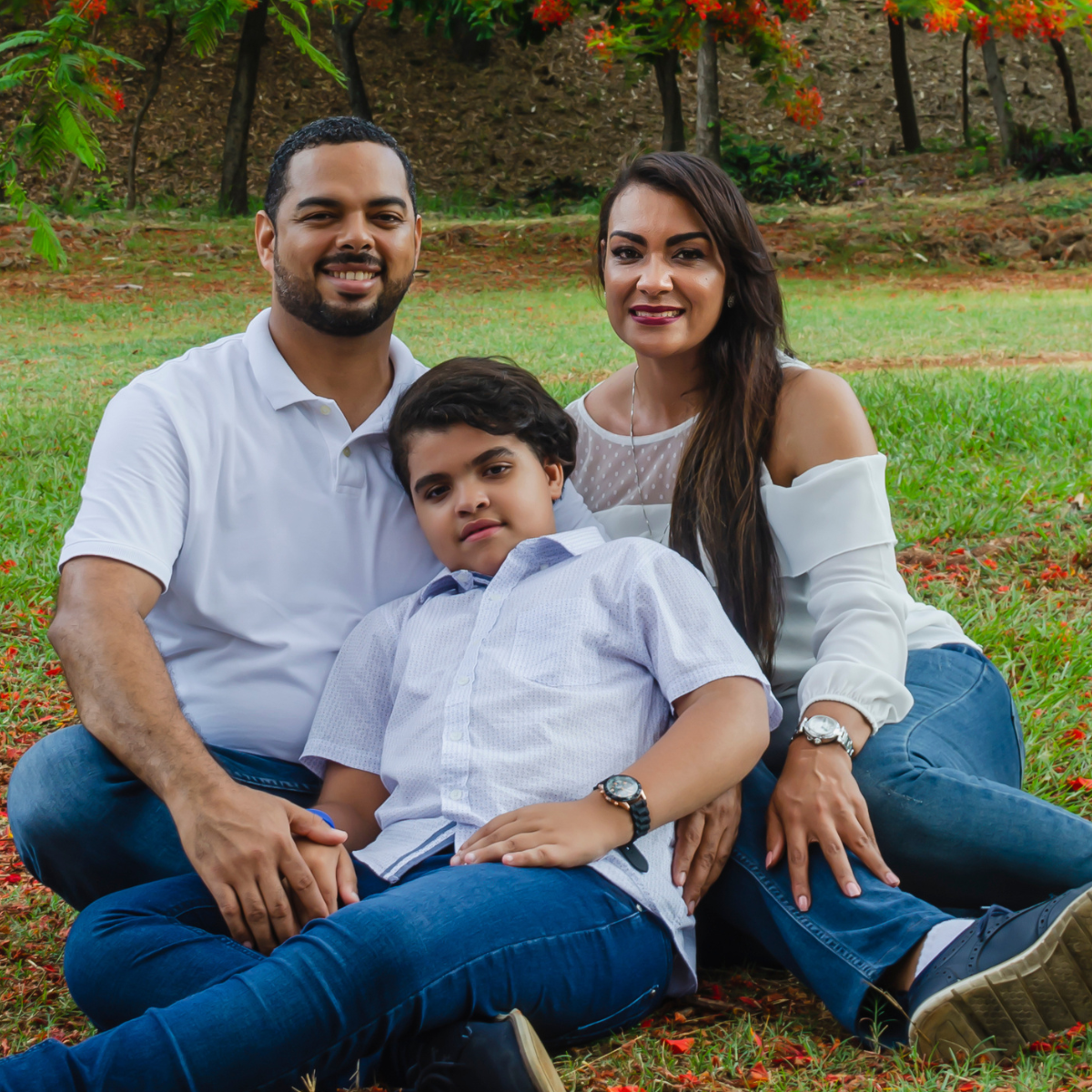
Nearly 30 years ago, my mother made an incredibly bold decision. She moved to the United States with me and without a dime in her pocket. She took a leap of faith that would forever change our lives.
A months-long standoff in Congress ended earlier this week when the president signed a reconciliation bill that provides an additional $70 billion to ICE and CBP. The funding had previously been blocked by Democrats in the Senate who had demanded greater accountability in immigration enforcement. Senate Republicans used the reconciliation process to sidestep a filibuster and pass the additional funding last week, and the bill just narrowly passed in the House on Tuesday. By using reconciliation, Republicans not only avoided Democratic demands for greater accountability, they also avoided most of the guardrails that are included in the normal appropriations process, such as reporting requirements around who is being detained and specific treatments for pregnant women in custody. Worryingly, the bill provides 3-years worth of funding for immigration enforcement, meaning that Congress will have little ability to revive such guardrails until 2029.
In good news, a federal court in Rhode Island blocked a series of policies put forward by the Trump Administration that target immigrants according to their nationality. In its order last week, the court noted the hypocrisy . . .
Fourteen years ago June 15, the federal government made a commitment to young people without permanent residency who had grown up here, gone to school here, and who called the US home. The message then was: You belong. Stay and contribute.
Now the stability DACA granted is under threat – in part because the government has chosen inaction as a weapon.