Seeking Safety and Belonging: Challenges in LGBTQ+ Immigrant Rights
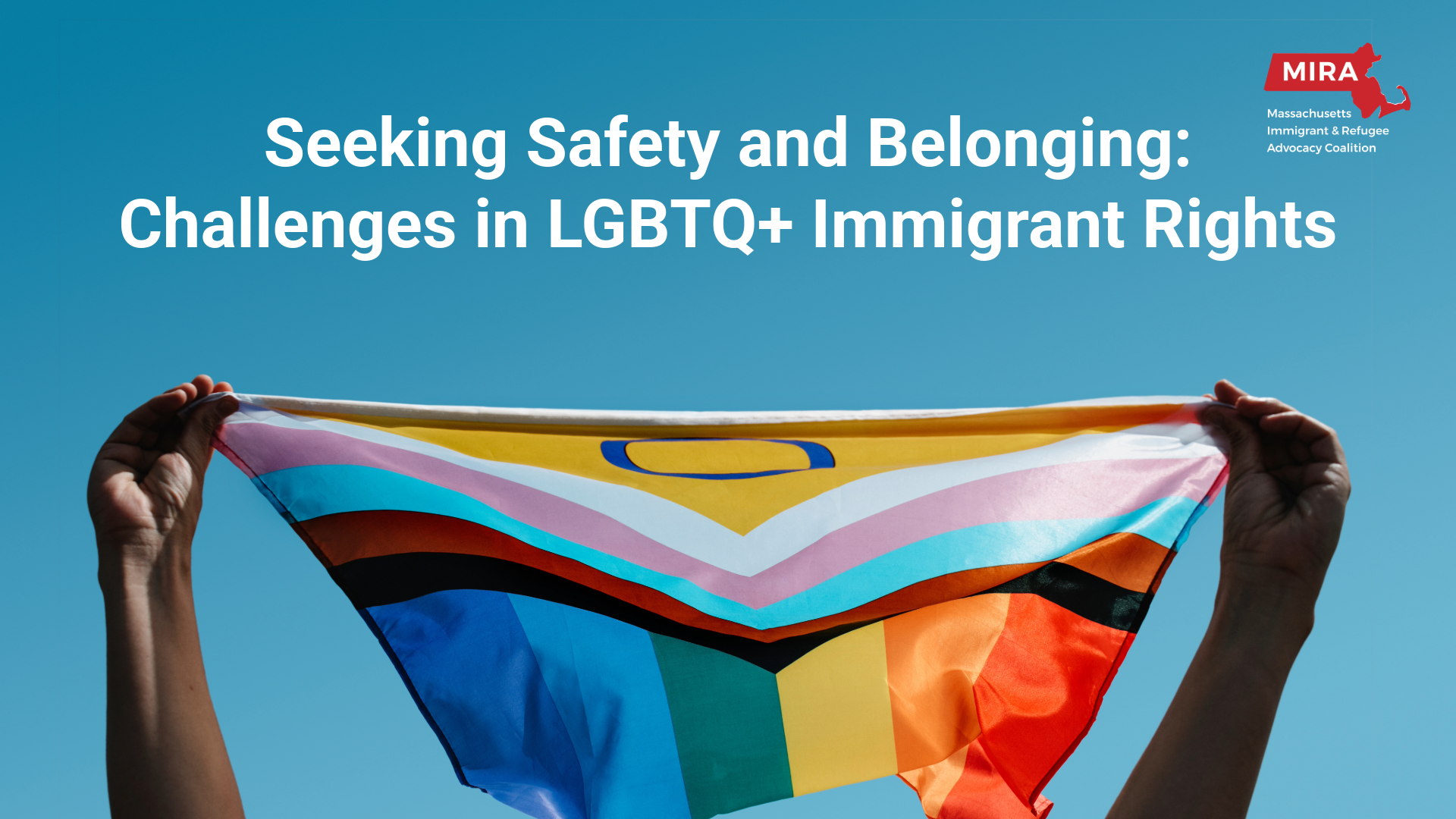
June 2026 marks the 57th anniversary of Pride month in the United States. It commemorates the Stonewall uprising, which began on June 28, 1969 and led directly to the first Pride march the following year. While it took 30 years for Pride Month to become a federally-declared observance, Lesbian, Gay, Bisexual, and Transgender (LGBTQ+) communities have celebrated this special time to fully embrace their authentic selves, foster community without fear, raise awareness against hate crimes and continue to advocate for equal rights and equity.
The LGBTQ+ movement in the last five decades has had both key legislative victories and a surge of threats and the battle for LGBTQ+ immigrant rights has been a unique challenge.
LGBTQ+ immigrants navigate an intersection of marginalization, including high rates of discrimination, elevated risks of abuse within the immigration detention system, family separation and increased levels of stress and isolation while trying to access legal protections. These dual stigmas often amplify the multiple and compounded traumas they experience in their countries of origin and isolation upon arrival in the United States.
Some primary obstacles include:
- Proving Persecution: Seeking asylum requires providing solid evidence of a well-founded fear of persecution based on sexual orientation or gender identity. This is especially difficult for individuals fleeing nations where LGBTQ+ identities are heavily criminalized or forced into hiding. Moreover, many LGBTQ+ identities flee severe persecution in their home countries but face continued danger, harassment, and violence while traveling through transit zones.
- Detention Risks: LGBTQ+ individuals, particularly transgender migrants and those living with HIV, are vulnerable to significantly higher rates of physical and sexual abuse in immigration detention centers. They are also frequently denied access to medically necessary care, including gender-affirming therapies and HIV treatments.
- Administrative & Legal Hurdles: Complex immigration requirements, like erasure of non-binary identities on official documents and one-year filing deadlines for asylum, force vulnerable individuals into impossible bureaucratic choices.
- Mental Health & Social Isolation: Compounded trauma—from the home country, the migrant journey, and the integration process—leads to higher risks of anxiety, depression, and PTSD. LGBTQ+ immigrants must often adjust to a new culture while managing intersectional pressures, including racism, language barriers, and lack of family support networks. The lack of a welcoming social network or community support can leave individuals highly isolated.
“For gay immigrants, vulnerability can take many forms. Some come from countries where homosexuality remains criminalized. Others have experienced family rejection, social isolation, threats of violence, blackmail, or discrimination. Many have spent years carefully evaluating risks that most Americans never have to consider.”
Attorney Richard T. Herman | Advocate
Immigration attorneys have also conveyed how hard it is for many LGBTQ+ immigrants to find safety.
For several decades, the United States was the destination for many LGBTQ+ asylum seekers fleeing persecution but the Trump administration’s policies have severely changed that landscape. The United Nations annual report “revealed that it had received 20,215 direct requests for relocation assistance from queer and transgender people in 2025—a 51% increase year-over-year and the highest in the organization’s 20-year history. And for the first time, 30.9% of those requests came from individuals living within the U.S. In 2023, that figure was closer to 13%.” (Rebecca Schneid – TIME magazine)
What can you do to support LGBTQ+ immigrants?
Assist, Donate & Advocate for LGBTQ+ individuals
- Provide direct community assistance
- Offer Practical Help: Assist with everyday tasks like transportation, groceries, or navigating public transit.
- Create Welcoming Spaces: Invite immigrants to community events to help them build a social support network.
- Provide Emotional Support: Be a consistent, non-judgmental listener. Many LGBTQ+ immigrants face trauma and severe isolation in the U.S.
- Donate to specialized legal funds & organizations supporting LGBTQ+ individuals (*see list below)
- Contact GLAD Law Answers for a referral to an immigration attorney sensitive to the needs of LGBTQ+ and HIV-positive people.
- Immigration Equality provides free legal services for LGBTQ+ and HIV-positive asylum seekers, binational couples, and detained individuals.
- The National Immigrant Justice Center (NIJC) offers similar initiatives to challenge discriminatory adjudication and prolonged detention.
- The Immigrant Legal Resource Center (ILRC) provides training and resources to ensure that legal services address these complex issues and are provided in a culturally competent manner. Our manual, LGBTQ Immigration: Ensuring Equality for All, provides practice tips and legal guidance for service providers of all levels of experience.
- Advocate for systemic protections
- Vote for policies that protect queer and trans individuals fleeing persecution.
- Volunteer for the Immigrant Justice Campaign https://immigrationjustice.us/about/lgbtq-asylum-program/
- Take Action with advocacy groups by signing petitions that protect Dreamers, DACA recipients, and LGBTQ+ people worldwide. Visit https://immigrationequality.org/get-involved/take-action/
- SIGN UP for MIRA’s Weekly Bulletin to receive immigration policy updates, learn about community events, find resources, and more! MIRA’s Weekly Bulletin